


How to choose the right lubricant for different sex toy materials?
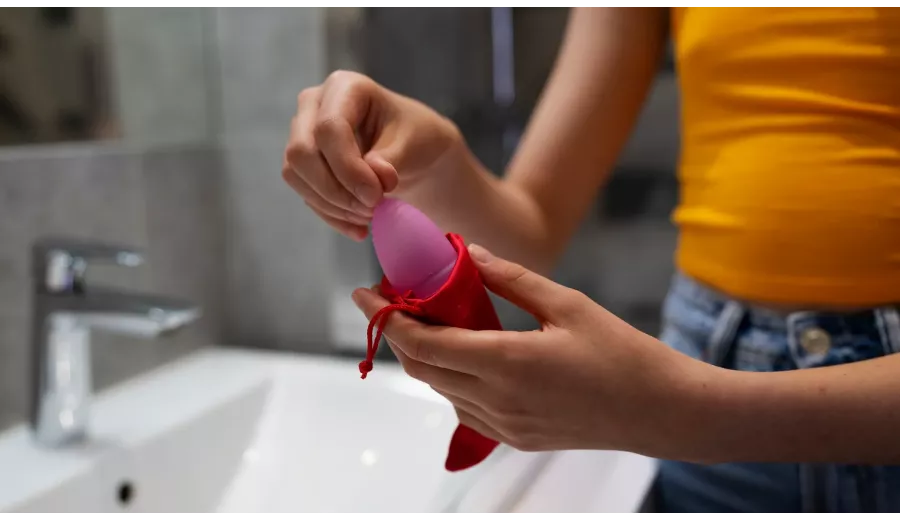
Choosing a lubricant for sex toys sounds simple until the wrong bottle quietly ruins a toy you have only just bought. Some lubes leave silicone feeling sticky and rough. Others can break down softer materials over time. The good news is that the rules are easy once you know what your toy is made from.
This guide explains the main types of lube, how each one behaves with common sex toy materials, and how to pick the right one for solo or partnered play. Whether you are buying your first vibrator or building up a collection, a little knowledge goes a long way.
Why The Right Lubricant For Sex Toys Matters?
Lube makes play more comfortable by reducing friction. It also helps toys glide smoothly, which can make sensations feel better and lowers the chance of irritation. But the wrong formula can do real damage, both to your body and to your toys.
Some ingredients react with certain materials. Over time that reaction can leave a toy tacky, pitted, discoloured or misshapen. A damaged surface is also harder to clean properly, which is not what you want from anything intimate. Matching lube to material protects your investment and keeps your sex toys hygienic for longer.
The Main Types Of Lubricant Explained
Water-Based Lubricant
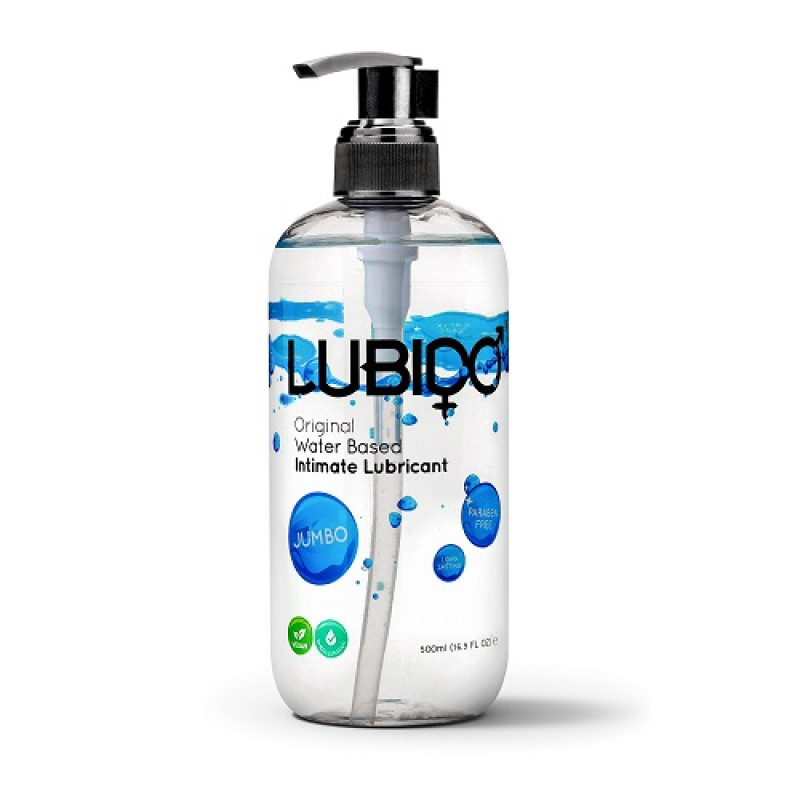
Water-based lube is the all-rounder. It feels natural, rinses off easily, and works with almost every toy material and with latex condoms. The trade-off is that it can dry out or soak into skin during longer sessions, so you may need to reapply or add a drop of water to revive it. If you are not sure where to start, a good water-based lubricant is the safest first choice.
Silicone-Based Lubricant
Silicone lube is thicker, slicker and far longer lasting. It does not absorb into skin and stays slippery in water, which makes it popular for shower and bath play. However, silicone lube can react badly with silicone toys. If you want the extra glide, browse our silicone lubricants, but check your toy material first.
Oil-Based Lubricant And Hybrids
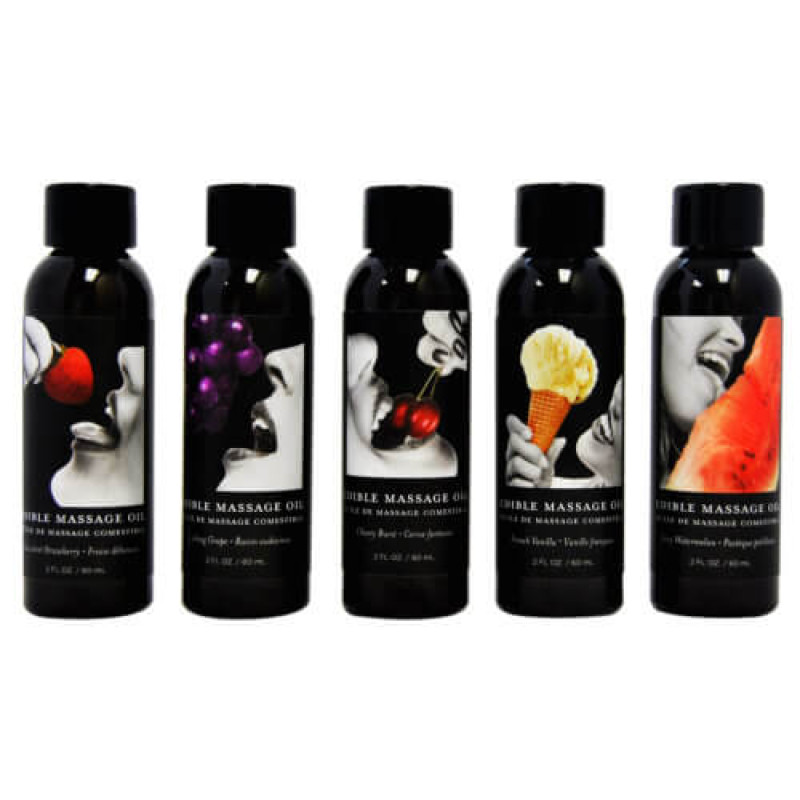
Oil-based products, including natural oils, creams and some massage products, feel rich and last a long time. They are not safe with latex condoms, and they can degrade some toy materials. They are also harder to wash away. If you like these textures, our creams, oils and gels range is worth a look, but read the label carefully before pairing anything with a toy or condom.
Hybrid lubes blend water and silicone. They offer more staying power than pure water-based formulas, but they may still affect silicone toys, so always check the manufacturer's advice.
Which Lube Suits Which Sex Toy Material?
Here is where most people get caught out. Not all sex toys are made equally, and the material decides which lubricant is safe.
Silicone Sex Toys
Body-safe silicone is the most popular material for vibrators, dildos and plugs. It is smooth, non-porous and easy to clean. The golden rule is to use water-based lubricant for sex toys made of silicone. Silicone lube on a silicone toy can make the surface go gummy or cloudy over time. If you are determined to use silicone lube, test a small hidden area first and wait a few hours.

Glass, Stainless Steel And Ceramic
These hard, non-porous materials are the most forgiving. Water-based, silicone-based and most hybrid lubricants are all fine. Silicone lube is a particularly good match here because it gives a long-lasting glide. Always check glass for chips or cracks before use.
ABS Plastic And Hard Plastics
Many bullet vibrators and rigid toys use ABS plastic. It is non-porous and resistant to most lubricants, so water-based and silicone-based lube both work well. Avoid anything harsh or heavily scented, as strong ingredients can sometimes cloud the finish.
TPE, TPR, Jelly And Rubber
These softer, stretchy materials are common in budget-friendly toys and realistic-feel designs. They are porous, which means they can hold on to moisture and bacteria. Stick to water-based lube only. Silicone and oil-based products can cause the material to break down, turning it sticky or melting the surface. Using a condom over a porous toy adds an extra layer of protection and makes cleaning easier.
Skin-Feel And Realistic Materials
Toys marketed as lifelike often use blended or proprietary materials. Because formulas vary, check the packaging first. If there is no guidance, water-based lubricant is the safest default.
Quick Lubricant Compatibility Chart
| Toy Material | Water-Based | Silicone-Based | Oil-Based |
|---|---|---|---|
| Silicone | Yes | No (patch test only) | Use with caution |
| Glass | Yes | Yes | Usually fine |
| Stainless steel | Yes | Yes | Usually fine |
| ABS plastic | Yes | Yes | Check the label |
| TPE, TPR, jelly, rubber | Yes | No | No |
If you cannot find the material listed on your toy, treat it as porous and choose water-based lube.
Other Things To Consider Before You Buy
Condoms
If you are using condoms, either on a partner or over a toy, pick a lubricant that is compatible with latex. Water-based and silicone-based lubes are generally safe. Oil-based products can weaken latex and cause it to fail.
Anal Play
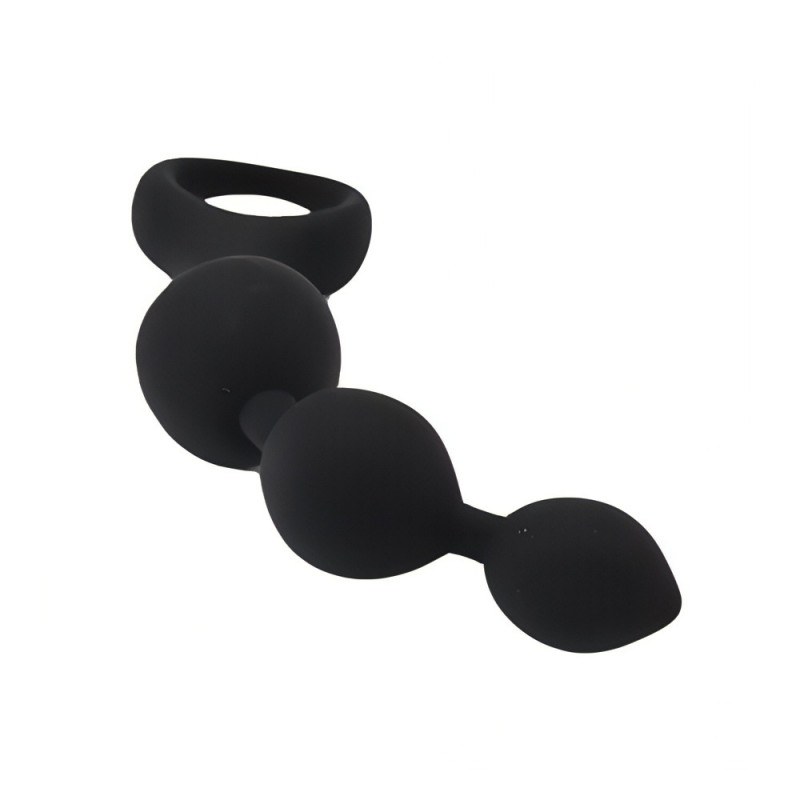
The anus does not self-lubricate, so anal play needs more lube than most people expect. A thicker, longer-lasting formula works best, and you should reapply often. Water-based gel formulas suit most anal sex toys, while silicone lube is a favourite for non-silicone toys. Avoid numbing products, as they can hide discomfort that is telling you to slow down.
Sensitive Skin And Ingredients
Some people find that glycerin, parabens, fragrances or flavourings cause irritation. If you have sensitive skin, look for simple, fragrance-free formulas and patch test on your inner arm before intimate use. If irritation continues, stop using the product and speak to a pharmacist or GP.
Warming, Cooling And Flavoured Lube
Novelty lubes can add fun, but they often contain extra ingredients that can irritate delicate skin. Try them in small amounts first, and check that they suit your toy material.
How To Patch Test A Lubricant On A Toy?
If you are unsure, a quick test can save a toy. Place a small amount of lube on a hidden part of the toy, such as the base. Leave it for a few hours, then wipe it off and look for stickiness, discolouration or a change in texture. If the surface feels different, that lube is not a match.
Cleaning Up After Play
Whatever lube you use, clean your toy after every session. Wash it with warm water and mild soap, or use a dedicated product from our range of sex toy cleaners. Silicone lube in particular needs a proper soapy wash, as water alone will not remove it. Dry the toy fully and store it separately in a clean pouch, away from other items, so different materials do not touch each other.
Frequently Asked Questions
What is the best lubricant for sex toys?
For most people, water-based lube is the best all-round choice. It is safe with nearly every toy material and with latex condoms, and it washes off easily. Choose silicone-based lube only for glass, steel, ceramic or hard plastic toys, or for use on the body without silicone toys.
Can I use silicone lube on silicone sex toys?
It is best not to. Silicone lube can bond with silicone toys, leaving the surface sticky, dull or damaged. A water-based formula is the safer option. If you want to try silicone lube anyway, patch test a hidden area first.
Is it safe to use oil on sex toys?
It depends on the material. Oils can damage porous and rubber-like toys and can break down latex condoms. They may be fine on glass or stainless steel, but they are harder to clean off. If you are unsure, stick to a water-based lubricant.
How much lube should I use with a toy?
Use enough that the toy glides without any drag or discomfort. Start with a generous amount on both the toy and your body, then add more as needed. Anal play usually needs noticeably more than vaginal play.
How do I know what my sex toy is made from?
Check the packaging, product description or manufacturer's website. If the material is not listed, look at the feel. Smooth, firm toys with a slight silky finish are often silicone, while softer, slightly tacky toys are often TPE or jelly. When in doubt, treat it as porous and use water-based lube.